Memory Care vs Assisted Living: How to Select the Right Course for Your Loved One
Business Name: Beehive Homes of Sandy
Address: 9532 S 700 E, Sandy, UT 84070
Phone: (801) 975-5244
Beehive Homes of Sandy
BeeHive Homes of Sandy provides personalized assisted living and memory care in a comfortable residential setting. Our compassionate caregivers deliver attentive daily support focused on dignity, independence, comfort, and quality of life.
9532 S 700 E, Sandy, UT 84070
Business Hours
Families do not look for care settings the way they look for devices. The decision gets here in the middle of reality, usually after a scare, a lost costs, a 2nd fall, a range left on. The objective is not to find the shiniest community, it is to match your loved one's needs, character, and risks with the best level of support. That match looks different depending upon whether you choose assisted living or a memory care home.
I have actually strolled this roadway with numerous households. The very best outcomes came when we paused, called the specific problems we needed to resolve, and after that let those problems determine the setting. Labels matter less than the details behind them. Below is a useful, experience-tested guide to assist you see those details clearly.
What these 2 models are actually constructed to do
Assisted living is created for older adults who can live rather individually however need aid with day-to-day activities. Think about bathing, dressing, medication pointers, getting to meals, light housekeeping, and transportation. The building is generally open and social, with a dining room, calendar of activities, and private apartments. Staff exist all the time, though not at a healthcare facility level. The care strategy is tailored, however the environment presumes citizens can find their way, make choices, and handle standard regimens with cueing or minimal hands-on help.
Memory care is a specialized environment for people living with Alzheimer's disease or other kinds of dementia who need a greater level of structure, supervision, and behavior assistance. It is normally a secured system or a stand-alone memory care home. The design makes navigation simpler, and safety is engineered into the space. Staff receive additional dementia care training. The day follows a trustworthy rhythm with targeted activities to decrease confusion and distress. The program is not simply more hands. It is a different technique to interaction, engagement, and danger management.
Families frequently inquire about labels. Some assisted living communities say they "assist locals with mild amnesia." That can be true for early cognitive changes. However when disorientation, wandering, repeated exit looking for, or escalating stress and anxiety appear, the advantages of a dedicated memory care setting become clear.
How every day life actually feels inside each setting
In assisted living, early mornings typically start with an employee knocking, offering help with bathing and dressing if it is on the care plan. Breakfast occurs in an enjoyable dining room. Some residents walk there on their own, others get a tip call or escort. The activity board might note yoga at 9, a shopping trip at 10, and music after lunch. If your dad likes his self-reliance and can shuffle to the elevator with his walker, the building works with him. He can lock his door, sleep without check-ins, and avoid bingo with no consequence.
In memory care, the day brings more structure. Staff anticipate that locals will not remember schedules or directions, so routines are developed into the circulation. Brilliant, contrasting colors aid with depth understanding. Menus are simplified, and meals might be served household style at smaller tables to hint eating. Corridors frequently loop to reduce dead ends. Doors to the exterior are protected or alarmed to avoid unsafe exits. Activities stress sensory engagement, brief jobs, and movement at foreseeable times. An employee may sit with your mom to prompt each bite at breakfast, then stroll with her around the yard to direct uneasyness into safe activity. The tone intends to lower stress and anxiety by changing choices with constant, reassuring patterns.
Staffing, training, and supervision
The essential distinction is not the marble lobby, it is who appears when your loved one needs help.
-
Assisted living staffing ratios differ widely by state and business. During the day, a typical range is one direct care employee for 12 to 18 locals. In the evening it may be one for 18 to 25, with a nurse on call or on website part-time. Personnel get basic eldercare training, and some get basic dementia education. This model works best when residents can push a call pendant, wait a couple of minutes, and follow instructions once help arrives.
-
Memory care usually runs tighter ratios, for instance one team member for 5 to 8 locals throughout the day, and one for 10 to 12 in the evening, in addition to a nurse existence that is more consistent. Employee are trained in dementia interaction, redirection, and how to analyze behaviors as unmet requirements. In a great memory care home, you will see staff distributing instead of waiting for call lights, because the goal is to avoid issues before they escalate.
Ratios are just part of the story. Enjoy how groups communicate. In a strong memory care program, you will hear personnel say things like, "Mr. Alvarez taps his fingers when he gets distressed, so we offer him a warm washcloth and begin music before supper." That level of customization separates real dementia care from generic help.
Safety functions and the difference they make
Safety tools are not about locking people away. They are about producing an environment where a person with amnesia can prosper without continuous correction.
In assisted living, doors are not usually protected. Elevators are open, and kitchens may be accessible. Stoves in houses are sometimes allowed or disabled based on the resident's plan. If someone has mild forgetfulness however no exit seeking, this freedom is appropriate. The risk comes when confusion rises, due to the fact that an open school expects locals to self-regulate.
Memory care, by style, limitations risky options and replaces them with safe freedom. You might see a secured perimeter courtyard so homeowners can go outside without a chaperone. Exit doors typically have postponed egress hardware and alarms so personnel can step in before someone leaves. Appliances are controlled. Bathroom fixtures are picked to reduce misperception, and hot water is regulated. Lighting uses warmer tones to lower sundowning. These features cost cash, but they purchase a sort of safety that human supervision alone can not deliver.
The pivot point: when assisted living is enough, and when memory care is wiser
Families often attempt assisted living first, especially if the person appears "primarily fine" in familiar environments. Often that works magnificently for a year or 2. The line to memory care normally appears in one of four methods:
-
Wandering or exit seeking. If your loved one leaves the home and can not discover the way back, or attempts to leave the building consistently, assisted living is stretched beyond its design. Personnel can not securely keep track of corridors without jeopardizing everyone else's privacy.
-
Behavioral modifications that distress others or put your loved one at risk. This can indicate striking out throughout care, increased fear, or calling the cops in the night since "strangers remain in your house." Generalist teams frequently do not have the training and staffing to handle this consistently and compassionately.
-
Lost capability to sequence multi-step jobs even with cueing. If bathing, toileting, or consuming fall apart, the need for hands-on, regular prompting frequently exceeds the scope of assisted living.
-
Nighttime wakefulness and reversal of sleep cycles. A person who is up from 1 to 5 a.m. Pacing is not likely to be safe in an open building. Memory care programs expect and handle these patterns.
One caveat: an individual with early memory loss who deals with a cognitively healthy partner might flourish in assisted living longer since the spouse covers the executive function spaces. The question to ask is not whether the setting looks beautiful, however who is doing the work of keeping your loved one safe and engaged. If it is the spouse, plan ahead in case their health modifications suddenly.
Costs, contracts, and what is included
Prices vary by region, building quality, and service model. As a basic frame:
-
Assisted living in the United States typically ranges from 4,000 to 7,000 dollars per month, with base rates covering housing, utilities, meals, and basic activities. Care is typically billed in tiers. Tier 1 may include medication tips and light help, while higher tiers include bathing, dressing, and frequent checks. A resident with moderate requirements might pay an extra 800 to 1,500 dollars monthly above the base.
-
Memory care usually costs more since of staffing and facilities. Expect an extra 1,000 to 2,500 dollars over an equivalent assisted living rate in the same building. Some memory care homes utilize complete pricing, others still tier the care. Ask how frequently they re-evaluate and how they interact increases.
Insurance and benefits matter. Long term care insurance coverage might pay a day-to-day benefit if the resident requirements assist with a defined variety of activities of daily living or has a documented cognitive disability. Some states provide Medicaid waivers that assist with assisted living or memory care, but schedule and waitlists differ. Veterans and surviving partners might get approved for Help and Attendance, which can offset a number of hundred to over a thousand dollars per month. Facilities vary in whether they accept these programs, and some accept Medicaid just after a personal pay period. Put the monetary map on paper before you fall in love with a building.
Read the contract. Try to find the discharge provision. Facilities must keep citizens safe, and they can require a move if needs surpass what they are licensed or staffed to provide. A clear stipulation is not a danger, it signifies sincerity. Vague language makes crisis relocations more likely.
What assessments expose, and why they matter
Good neighborhoods do not rely on a single photo. They integrate cognitive testing, functional evaluation, case history, and direct observation.
Cognitive screening tools like the MoCA or MMSE can provide a basic sense of disability. Scores help, but behaviors matter more. I have actually supported people with mid-range ratings who managed well in assisted living since they were calm, followed hints, and had a constant regimen. I have also seen high scorers with impulsivity and bad judgment who needed memory look after safety.
Functional evaluation covers activities of daily living: bathing, dressing, toileting, transferring, eating, and continence. Critical activities, like handling financial resources or cooking, usually fall away earlier. The key is frequency and predictability. If your loved one can bathe independently three days a week however refuses or forgets 4 days, the environment needs to close those gaps consistently.
Medical intricacy can press the decision. Insulin-dependent diabetes with changing cognition, recurrent UTIs that tip into delirium, or high fall risk on blood thinners increases the need for closer tracking. Medication management in memory care frequently consists of more regular checks and innovative methods to ensure adherence without forcing.
A fast side by side snapshot
-
Assisted living presumes the resident can browse the structure with cues and periodic aid, memory care assumes the resident requirements continuous structure and supervision.
-
Assisted living staffing supports self-reliance with assistance on request, memory care staffs to proactively engage and redirect.
-
Assisted living buildings are open and social with fewer environmental controls, memory care units utilize secured boundaries, streamlined designs, and sensory-friendly design.
-
Assisted living activities mirror typical senior programs, memory care activities are shorter, repeated, and sensory oriented.
-
Assisted living costs less on average, memory care carries a premium for specialized staffing and security features.
How to choose, step by step
-
List the leading 5 risks or problems you are trying to resolve, composed in plain language. Examples: Mom leaves the house in the evening and gets lost. Dad forgets to eat unless triggered. Costs are unpaid.
-
Tour both an assisted living and a memory care home, preferably in the same company, and visit two times at different times. See the evening shift. Smell the air. Listen for how personnel speak about residents.
-
Ask each community to compose a draft care plan with staffing presumptions and a rate that shows your loved one's present needs. Then ask what activates would change the strategy and the cost.
-
Call two recommendations, ideally families who moved in the in 2015. Ask what shocked them, excellent and bad, and how the neighborhood dealt with a difficult day.
-
Rehearse a 90 day strategy. If you attempt assisted living initially, what indications would trigger a switch to memory care, who will make the call, and how quickly can the shift happen.
The myth of "too early" and the reality of timing
Families worry about relocating to memory care before it is essential. The fear is understandable. The word "protected" can seem like a loss of freedom. Yet the most typical remorse I hear is the opposite. People want they had moved earlier, when their loved one might still adapt and form bonds with personnel. A well run memory care program can lower stress and anxiety, stabilize sleep, and boost engagement. The benefits substance when the environment fits the person's brain.
It is also true that some people remain comfortably in assisted living until the last months of life. What makes that possible is a low profile of risky habits, a tolerance for cueing, and a group that understands the resident well. If you are on the fence, consider a respite remain in memory take care of two to four weeks. Short trials reveal a lot. You will see if your dad liven up with structure or chafes at it.
The human aspect: characters, choices, and dignity
A diagnosis does not erase identity. The best care setting honors who your loved one still is. A former carpenter may react to jobs with tools and sanding blocks, whether in assisted living or memory care. A retired teacher will illuminate when asked to help "lead" a small group, even if the content is basic. I have seen a female who disliked group activities thrive after a memory care team produced an early morning folding station near a bright window just for her. It looked like busy work to an outsider. To her it seemed like function, and her agitation fell away.
If your mom is private and stylish, ask how bathing is performed and whether the exact same couple of aides can be designated regularly. If your dad is a night owl, ask what happens after 9 p.m. Search for creative answers, not stock phrases. Dignity resides in the details.
Edge cases you should prepare for
Couples with blended needs face difficult options. Some neighborhoods let a couple share a home in assisted living while the partner with dementia receives add-on services. This can work if the much healthier spouse desires the function and the care team can bend. Other couples live in the same building however different systems, one in memory care, one in assisted living, with daily visits. That arrangement preserves safety while securing the well spouse's rest. It is not best, but neither is caretaker burnout.
Younger beginning dementia brings various energy. Standard activities can feel childish. Because case, look for memory care homes that customize programming for people in their 50s or early 60s, with active movement, music, and projects rather than purely sedentary options.
Language and culture matter. A memory care unit with multilingual personnel or cultural food choices can lower behaviors activated by misconception. Do not be shy about asking the number of personnel speak your loved one's language and whether care notes reflect cultural preferences.
Pets are a supporting force for some citizens. Policies vary. Some assisted living beehivehomes.com elder care settings allow animals in houses, while memory care regularly utilizes community animals that visit daily. If the bond is important, ask directly what is possible.
What great dementia care appears like on a regular Tuesday
You know you are in the best memory care home when everyday scenes inform a coherent story. A resident who generally withstands showers concurs due to the fact that her favorite sweatshirt is already set out and warm towels are ready. A man who paces is invited to "help check the doors" every hour, turning uneasyness into a task. The dining-room remains calm due to the fact that personnel give a one action prompt, wait, and then smile, rather than layering commands. There is laughter, but not sound for its own sake. The calendar matters less than the tone.
In assisted living, the best fit appears like personnel who know when to pull back, who respect independence without making people feel alone. Mr. Chen chooses to take his medications at 7 a.m., not 8, and the nurse develops that into the pass. Ms. Rivera likes lunch in her apartment 3 days a week, and that is honored without remark. Front desk personnel greet citizens by name, family members feel welcome, and upkeep knocks before entering.
Transition preparation that reduces stress
Moves are hard. They go better when families handle 3 arcs at the same time: the logistics, the story, and the first two weeks.
For logistics, start early with paperwork. Make a one page medical summary, list of medications with doses and times, names of past infections and sets off for delirium, and a copy of any advance instructions. Load familiar items initially, especially a bedspread, images at eye level, and 2 pieces of furniture your loved one recognizes from home. Label clothes clearly.
For the story, keep explanations basic and constant. "This is a safe location while your home is being worked on" is frequently more reliable than a debate about memory loss. Let staff bring the story forward so your loved one is not challenged with a new factor each shift.
For the first two weeks, exist but not all the time. Long visits can anchor an individual to you and impede bonding with staff. Rather, visit at predictable times that match your loved one's best hours, bring a modest convenience like a favorite treat, and then leave while the state of mind is still positive. Offer the team insight, not orders. "She drinks more if the straw is on the left" is gold.
Red flags throughout a tour, and green lights you wish to see
Red flags consist of a strong odor of urine that sticks around for hours, personnel who can not call three homeowners without examining a chart, and activity calendars that look hectic but show empty rooms at game time. See a meal. If half the plates return untouched and nobody notices, food is decoration, not nutrition. Ask how the team handles a resident who refuses care. If the answer is "We just inform them they need to," keep looking.
Green lights consist of stable eye contact from caretakers, prompt aid that is calm instead of hurried, and small acts of customization. I like to ask a resident directly, "What do you like about living here?" Many people will inform you something real. If numerous response rapidly and without aiming to staff, the culture is most likely healthy.
Assisted living with memory care add-ons vs committed memory care homes
Some assisted living neighborhoods use "boosted care" programs within the exact same building but not in a secured unit. These work for homeowners with mild to moderate dementia who need more hands-on assistance but do not wander or show high danger habits. The advantage is social integration and flexibility. The danger is diffusion of attention if staffing is not increased to match needs.
Dedicated memory care homes concentrate competence. Smaller sized, function built environments typically feel calmer and more predictable. For homeowners with substantial cognitive loss, that expertise is worth the extra cost. The trick is to prevent assuming that a sign that states "memory care" assurances quality. You still require to check the program with your eyes and your questions.
If you are still unsure
When families stay split, I advise 3 actions. First, talk to your loved one's primary clinician about threats you might be minimizing, particularly around wandering and nighttime security. Second, attempt a respite positioning in the memory care unit you like best and arrange a daytime visit to the assisted living program during that stay. Third, document what a great day appears like for your loved one and which setting is more than likely to produce more of those days. Aim for excellent days, not perfect ones.
Choosing between assisted living and memory care is not about surrendering independence. It has to do with crafting the most typical life possible within the constraints of disease. The best setting reduces avoidable crises, illuminate what still provides enjoyment, and supports the people who love your family member as much as the person themselves. When you find that, you will feel it in the quiet of a regular afternoon, when your loved one is safe, engaged, and at ease. That is the bullseye.
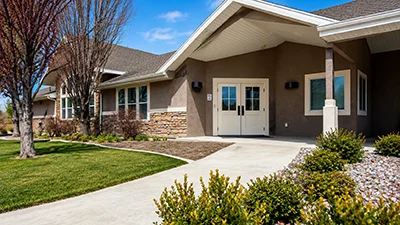
Beehive Homes of Sandy provides assisted living care
Beehive Homes of Sandy provides memory care services
Beehive Homes of Sandy provides respite care services
Beehive Homes of Sandy supports assistance with bathing and grooming
Beehive Homes of Sandy offers private bedrooms with private bathrooms
Beehive Homes of Sandy provides medication monitoring and documentation
Beehive Homes of Sandy serves dietitian-approved meals
Beehive Homes of Sandy provides housekeeping services
Beehive Homes of Sandy provides laundry services
Beehive Homes of Sandy offers community dining and social engagement activities
Beehive Homes of Sandy features life enrichment activities
Beehive Homes of Sandy supports personal care assistance during meals and daily routines
Beehive Homes of Sandy promotes frequent physical and mental exercise opportunities
Beehive Homes of Sandy provides a home-like residential environment
Beehive Homes of Sandy creates customized care plans as residents’ needs change
Beehive Homes of Sandy assesses individual resident care needs
Beehive Homes of Sandy accepts private pay and long-term care insurance
Beehive Homes of Sandy assists qualified veterans with Aid and Attendance benefits
Beehive Homes of Sandy encourages meaningful resident-to-staff relationships
Beehive Homes of Sandy delivers compassionate, attentive senior care focused on dignity and comfort
Beehive Homes of Sandy has a phone number of (801) 975-5244
Beehive Homes of Sandy has an address of 9532 S 700 E, Sandy, UT 84070
Beehive Homes of Sandy has a website https://beehivehomes.com/locations/sandy/
Beehive Homes of Sandy has Google Maps listing https://maps.app.goo.gl/gxoX9vT5PFH9mJTP9
Beehive Homes of Sandy won Top Assisted Living Homes 2025
Beehive Homes of Sandy earned Best Customer Service Award 2024
People Also Ask about Beehive Homes of Sandy
What does assisted living cost at BeeHive Homes of Sandy?
BeeHive Homes of Sandy offers all-inclusive assisted living pricing. That means one straightforward monthly rate covering personal care, home-cooked meals, housekeeping, laundry, and daily support, with no hidden costs or surprise fees. Because we offer seasonal pricing and current availability can change, we invite families to call for up-to-date rates and any current offers. Before move-in, our team completes a personalized assessment of health, mobility, medication, and activities-of-daily-living needs, so we can confirm the right care plan and share clear pricing for your family.
Can residents remain at BeeHive Homes as their care needs change?
Yes. In almost all cases, residents can remain at BeeHive Homes of Sandy as their care needs change, aging in place in a familiar, homelike environment. Because we coordinate with third-party home health and hospice providers, residents can receive added care right in the home rather than relocating. It is very rare for a resident to need to move, and that typically happens only when someone requires continuous skilled nursing or hospital-level care beyond what an assisted living or memory care home can safely provide.
Is a nurse available at BeeHive Homes of Sandy?
Yes. BeeHive Homes of Sandy has a nurse who provides day-to-day oversight of residents and works directly with each resident's own physicians and healthcare providers to continue the best possible care. Residents may keep seeing their preferred doctors, and when ordered by a medical provider, home health, therapy, or hospice services can often be delivered directly in the home. Caregiver support is available 24 hours a day.
What are the visiting hours at BeeHive Homes of Sandy?
Visit anytime. At BeeHive Homes of Sandy, we would rather family come too often than not often enough, because strong family relationships are an important part of every resident's well-being. We simply ask that visits be respectful of the other residents who live here, along with each resident's meals, rest, and care schedule. If you would like to come very early or very late, just let us know in advance and we will make it work.
Are rooms available for couples at BeeHive Homes of Sandy?
BeeHive Homes of Sandy may have room options for couples who wish to remain together while receiving senior care. Availability depends on current openings, room size, and the care needs of both individuals. Please contact our team to discuss available accommodations and find the best fit for your family.
What services are provided at BeeHive Homes of Sandy?
BeeHive Homes of Sandy provides personalized assistance with bathing, dressing, grooming, mobility, medication management, meals, housekeeping, laundry, and other activities of daily living. Residents also enjoy private rooms, home-cooked meals, engaging senior activities, and caregiver support available 24 hours a day, all in a smaller, residential-style setting that feels like home.
Does BeeHive Homes of Sandy offer memory care and respite care?
Yes. BeeHive Homes of Sandy offers both memory care and assisted living. Our memory care supports residents living with Alzheimer's disease, dementia, or other cognitive changes. Short-term respite care is also available for recovery periods, caregiver relief, or families who want to experience BeeHive Homes before considering a long-term move. Availability and suitability are determined through an individual assessment.
How can I schedule a tour of BeeHive Homes of Sandy?
Call (801) 975-5244 to schedule a tour of BeeHive Homes of Sandy anytime. A personal visit is often the best way to experience our calm, homelike atmosphere, meet our caregivers, see the private rooms and shared spaces, and ask questions about assisted living, memory care, or respite care in Sandy, Utah. We would love to help you decide whether BeeHive Homes is the right next step for someone you love.
Where is Beehive Homes of Sandy located?
Beehive Homes of Sandy is conveniently located at 9532 S 700 E, Sandy, UT 84070. You can easily find directions on Google Maps or call at (801) 975-5244 Monday through Sunday Open 24 hours
How can I contact Beehive Homes of Sandy?
You can contact Beehive Homes of Sandy by phone at: (801) 975-5244, visit their website at https://beehivehomes.com/locations/sandy/
The Sandy Museum offers an enjoyable local history experience for families supporting loved ones through Assisted living, memory care, senior care, elderly care, and respite care..